The conversation
It has been over five years since Gardens for Wildlife (G4W) launched in the City of Melbourne, so it's time for a review!
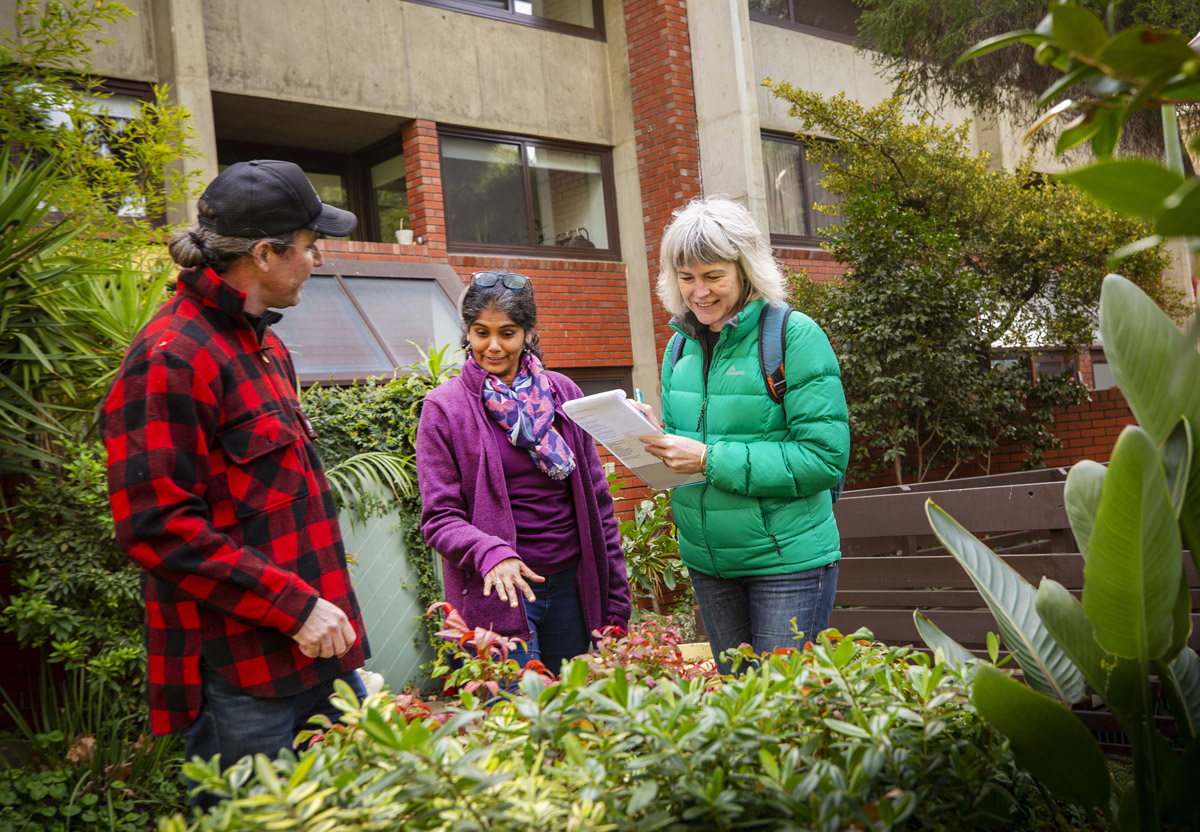
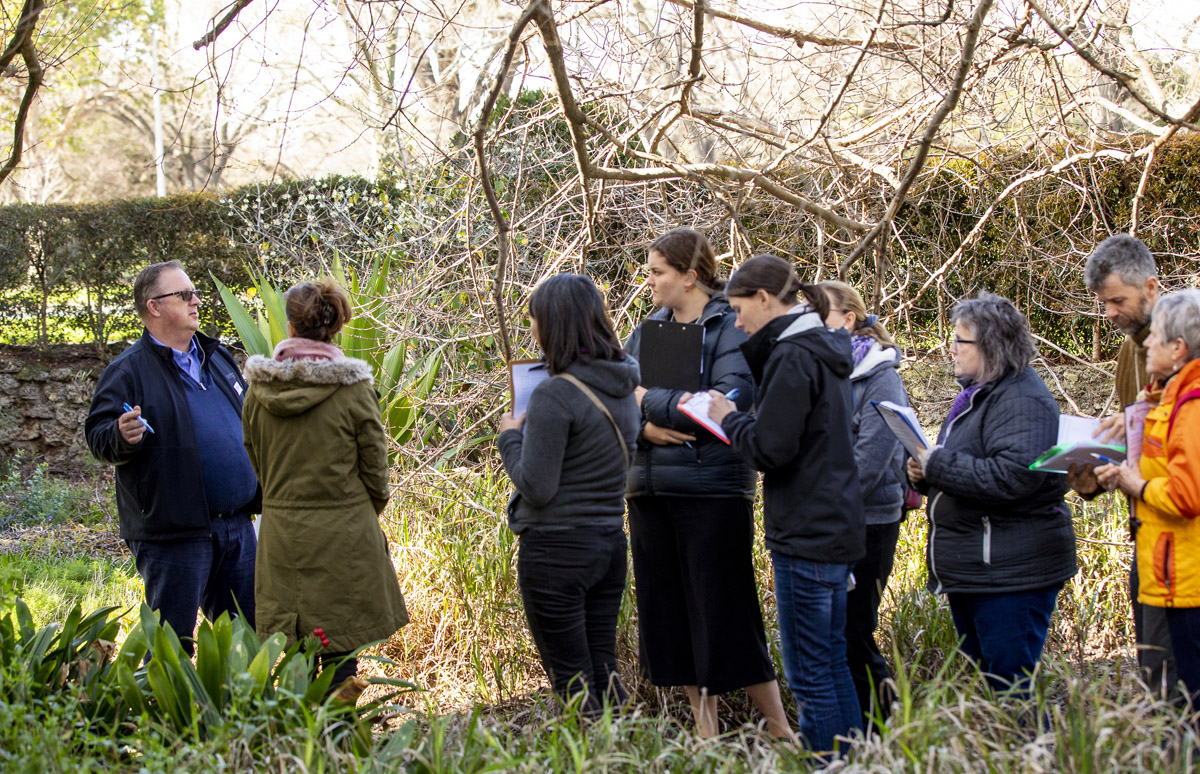
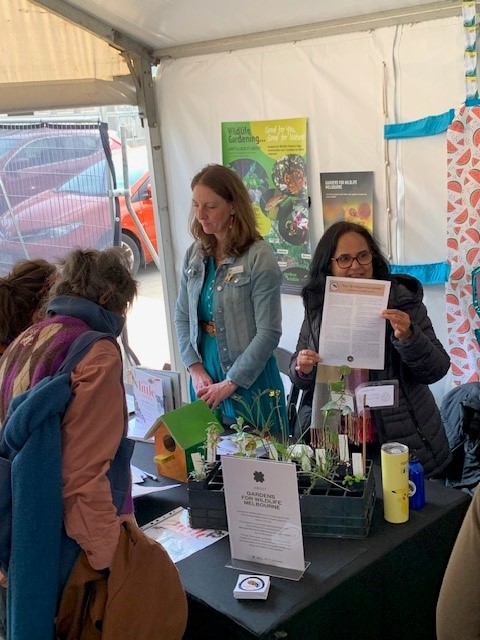
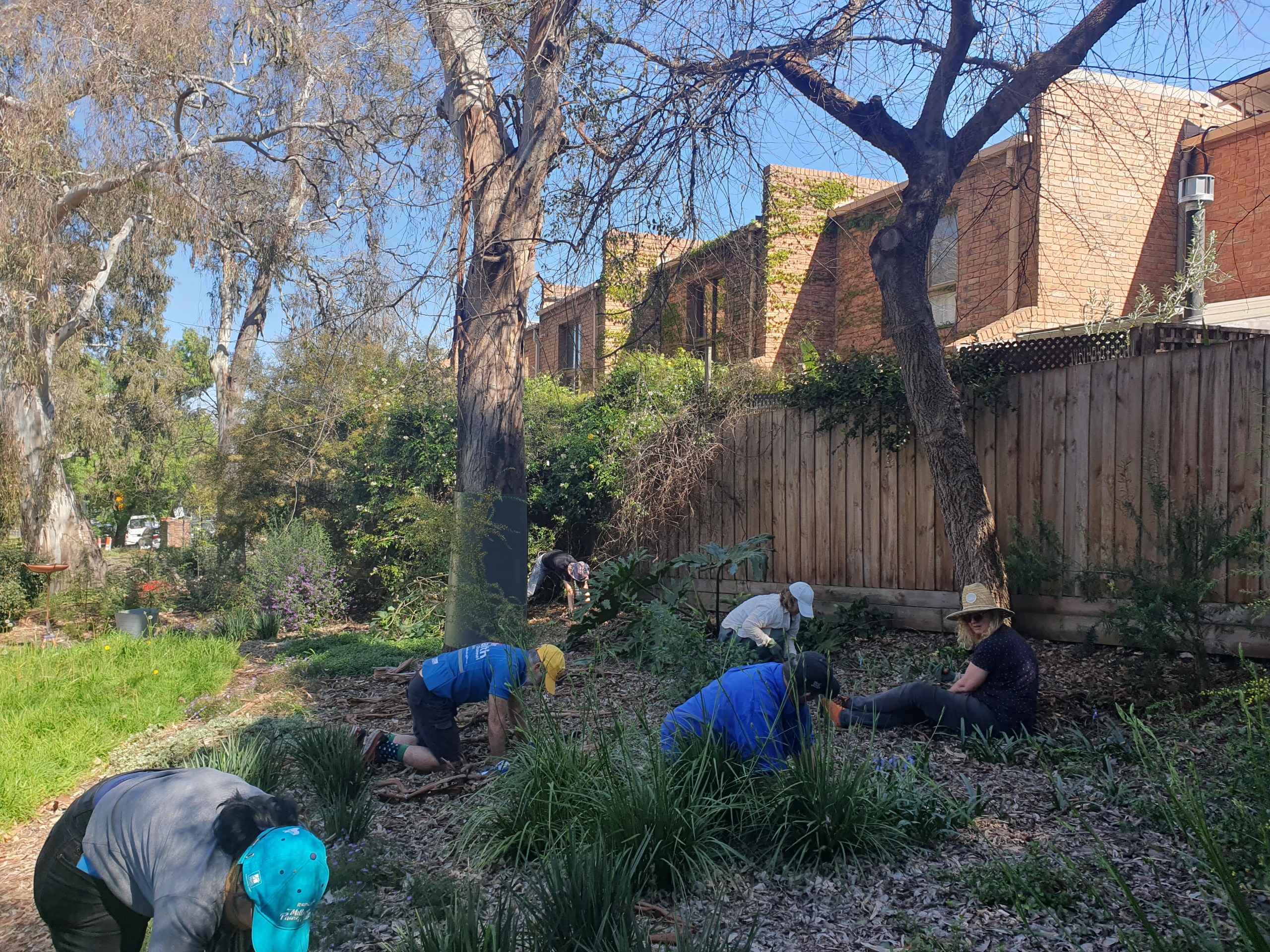
Since the G4W program launched in 2019, we have worked with over 80 volunteer Garden Guides and 200 Gardeners. Over 320 community members form part of our network, receiving updates from our program and attending G4W workshops or events.
We reached out to our network of gardeners, volunteer garden guides and extended community to find out what they think about our G4W program.
We wanted to understand community member experiences of the G4W program to inform and support continuous improvement.
We asked people about:
- experiences implementing the recommendations of garden guides
- biodiveristy gains such as wildlife sightings
- social connections with guides, neighbours and other community members
- connections to nature and learning new things
- suggestions for improving G4W.
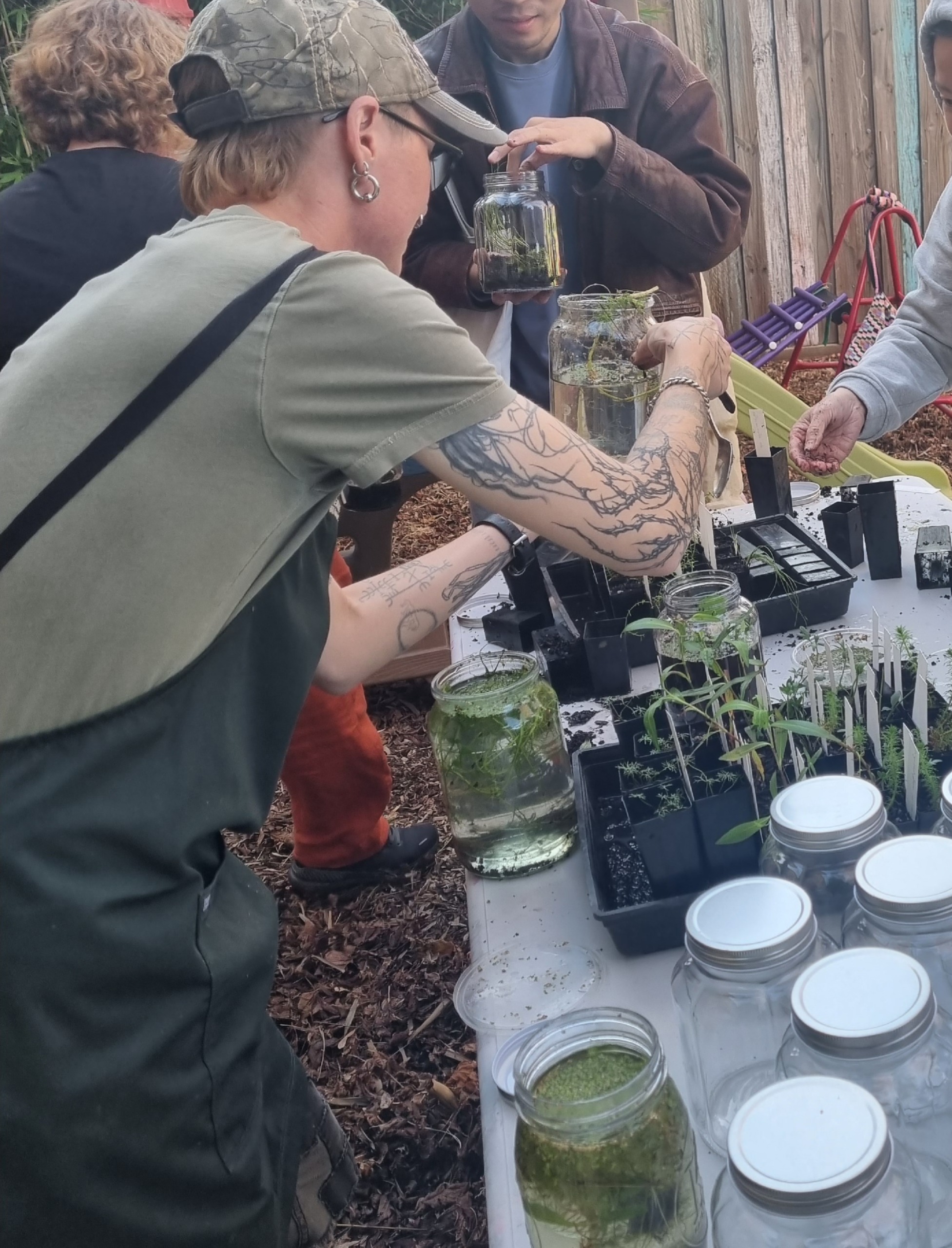
We designed a community engagement process that contributes towards our program objectives by enabling ongoing conversations about gardens in the city and fostering social connections and connections to nature. For example, although the 2025 review has now closed, gardeners and garden guides can continue to connect with us through our Participate Melbourne page, by sharing photos and experiences, and connecting with other community members, via our conversation board. The Participate Melbourne page also includes interactive maps of visits in each neighbourhood, and a section dedicated to case studies highlighting a variety of garden types across the city.
Gathering insights
We invited City of Melbourne’s G4W participants to complete the 2025 review survey between 22 July and 24 September 2025.
We also considered community feedback shared through community workshops, volunteer meetings and via email as part of this review.
From July 2025, we also began capturing feedback from Gardeners and Garden Guides immediately after each garden visit through a short 2-minute post visit feedback form. As well as informing this review, these forms remain in use to support continuous program improvement.
Other information sources informing the 2025 review include:
- continuous tracking of applications and completed visits per year, across the city and by neighbourhood
- data collected through the garden visit application form (e.g. how people heard about the program).
The review was completed in early May 2026.
What we heard
32 people completed the 2025 review survey including:
- 15 Volunteer Garden Guides
- 7 Gardeners (people who have received a garden visit)
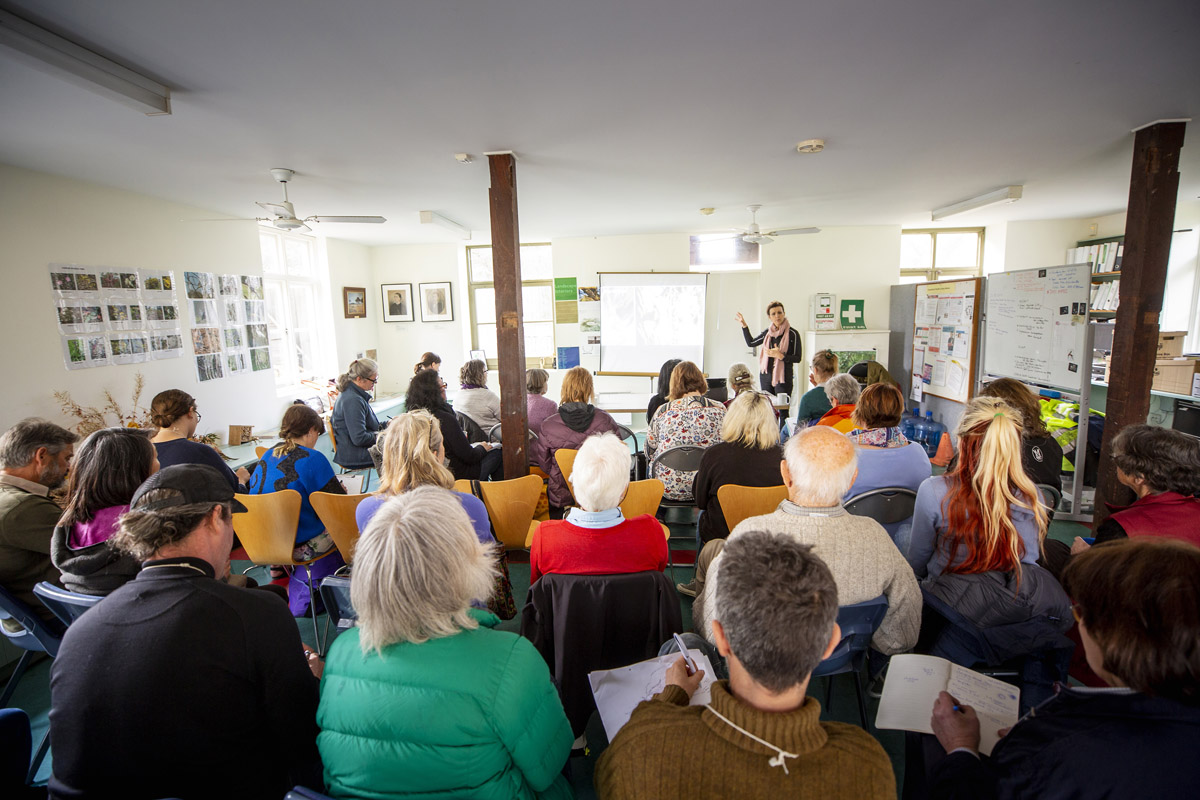
- 7 people who have participated in the program by attending an event, workshop or speaker series
As of May 2026, 22 Garden Guides and 8 Gardeners have completed a post-visit survey.
The conversation board launched during the review period remains open with 22 contributions as of May 2026.
2025 review survey – 7 responses from Gardeners
All 7 Gardeners who responded to the review survey:
- made all or some of the recommended changes and improvements to their gardens
- described the report provided by the Garden Guide as either very useful or somewhat useful.
5 of the 7 Gardeners who responded indicated that they were not planning to make changes to their garden, prior to receiving their garden visit. This indicates that in many garden visits, the volunteer Garden Guides made a meaningful contribution to improving biodiversity outcomes, influencing garden changes that would not have happened if it was not for the advice offered through our program.
Most common changes made based on the report included:
- planting recommended plant species
- using Bili Nursery voucher
- adding a bird bath or water for insects.
The review survey asked Gardeners if they had noticed more wildlife in their garden since implementing recommendations in the report. 2 indicated that they had noticed more wildlife, and 4 were unsure.
Gardeners also identified challenges gardeners face with implementing recommendations, which provides valuable insights into how we can tailor future advice from the program, to help overcome common challenges faced by gardeners. Challenges noted included:
- recommended plants not always available at Bili Nursery (business of supplied voucher)
- challenging home environment (e.g. too many hard surfaces, lack of shade, need to use hanging baskets which present particular challenges, clay soil)
- time and cost required to implement recommendations
Post-visit surveys that Gardeners complete shortly after receiving a Garden Visit – 8 responses as of May 2026
The post-visit survey asks Gardeners to rate their experience with different aspects of the program.
Based on the 8 responses to this survey so far, strongest aspects of the program include:
- experience on the day (all 8 rated as ‘excellent’)
- interaction with Garden Guides (all 8 rated as ‘excellent’)
- application (7 rated as ‘excellent’)
- scheduling of visits (6 rated as ‘excellent’).
In terms of wait times, 5 of the 8 participants rated wait time as ‘good’ and 3 rated the wait time as 'average’. 2 participants expanded on their experience of wait times:
- “A wonderful program. I did have to wait for an appointment, but understand the visits are run by volunteers so very happy for the wait time. The volunteers were so professional and warm - was a wonderful experience.”
- “The application was thorough, waiting time was around 4 or more months long but worth the wait. The report I received from the volunteers was incredibly detailed.”
6 of the 8 Gardeners who completed the post-visit survey reported that they were very likely to make the recommendations in their report (2 somewhat likely). Some of the factors likely to increase the likelihood these Gardeners would implement the recommendations include more knowledge, greater skills, and more time.
On building Gardner knowledge:
- 6 of the 8 Gardeners strongly agree the visit and report increased their knowledge of plant species.
- 5 strongly agree they feel more connected to likeminded people who care about nature in the city through their participation in the program.
- 4 strongly agree and 3 agree the visit and report increased their knowledge of practical steps for setting up a garden in their home.
- 3 strongly agree and 2 agree the visit and report increased their knowledge of local wildlife.
2025 review survey – 15 responses from Garden Guides
We heard the highlights of volunteering as a Garden Guide include:
- attending workshops and events
- expanding knowledge of native plants
- connecting with other Guides, sharing knowledge and ideas and making new friends
- contributing to a program that supports biodiversity in the city.
Challenges experienced include:
- balancing volunteering and other responsibilities
- scheduling visits and aligning times to suit Gardeners and Garden Guides
- completing the report (e.g. technical issues with computer).
9 Garden Guides who responded to the review survey indicated that the skills and/or knowledge learnt in meetings and program activities have been useful in their professional development.8 have listed their role as a Garden Guide on their resume.
Post-visit surveys that Garden Guides complete shortly after a Garden Visit – 22 responses as of May 2026
The post-visit survey asks Garden Guides to rate their overall experience of each visit. 13 rated their experience as ‘excellent’, 7 as ‘good’ and 2 as ‘average’. We also asked Guides to expand on their rating:
- Those who rated the experience as excellent often highlighted keen Gardeners who are welcoming and interested in fostering native plants in their gardens. For example, one Guide shared: “The client was a keen although not a very experienced gardener. She was open to ideas and how they could be incorporated into her garden. She was interested in a whole approach to gardening which including attracting pollinators and providing refuge for birds and other fauna.”
- Some who had completed virtual visits via Zoom highlighted the convenience of this option in terms of scheduling and not needing to travel for the appointment on the day.
- Several Guides who had completed the survey after a training visit with other Guides highlighted the value of ‘hands on’ learning from other more experienced Guides through this process.
We asked Guides how long they spent preparing the post-visit report for the Gardner they visited. More than half (13) spent between 1 and 2 hours preparing their post visit report for the Gardner. 5 spent between 2 and 4 hours, and 4 spent under one hour.
16 of the 22 Guides who completed a post-visit survey told us the experience finding suitable recommendations for their visit was ‘easy’. 6 found the process ‘moderately challenging’. Guides also shared factors that made finding recommendations easy, which included:
- Gardeners sharing their ideas for planting during the visit
- gardens with multiple zones and a range of conditions
- being able to draw from research previously conducted for visits conducted in similar areas and garden types (e.g. other balconies)
- being able to draw on resources provided by the CoM G4W program, as well as other public information such as that provided by Bili Nursery, to identify recommendations and prepare report
- motivated and interested Gardeners.
19 of the 22 Guides who completed the post-visit survey reported it was easy to schedule a visit with the Gardener. The 3 who reported that scheduling was not easy noted alignment of Gardener and Guide schedules can be challenging, but good communication with Gardener helps this process.
One Guide noted that video recording some visits could be an opportunity to extend Guide training.
The review survey asked all participants (Garden Guides, Gardeners and event attendees) if their participation in the G4W program had encouraged their involvement with any other behaviours that support the environment. 24 participants answered this question and their responses include:
- reducing waste, composting, recycling etc. (10 participants)
- volunteering for a local ‘Friends of’ group or other environmental organisation (7 participants)
- making sustainability changes at home (e.g. energy efficiency upgrades) or implementing water saving techniques (e.g. installing a water tank) (6 participants)
- implementing learnings in their workplace, school or university (6 participants)
The review survey also asked if participants feel more connected to likeminded people who care about nature in the city through participating in the Gardens for Wildlife program:
- 14 strongly agree
- 6 agree
- 5 somewhat agree
26 participants who completed the review survey have told others about G4W. When we asked how people had shared the program, we heard that:
- 22 have mentioned G4W to neighbours, friends, family etc.
- 12 have displayed their G4W sticker on their mailbox, car or water bottle
- 6 have distributed G4W postcards
- 5 have put a poster on display (e.g. in their window, at a local library or other community location).
Responses to the visit application form indicate common ways people hear about the program, including:
- posters and flyers seen at community noticeboards, in apartment foyers etc.
- word of mouth (friends, neighbours, staff at Bili Nursery etc.)
- events and information sessions (e.g. gardening event at community center, Urban Forest Fund information session)
- City of Melbourne website
- post in Facebook community group
- local newspaper story (e.g. North West City News, Docklands News).
Examples of what we heard
Impact
Feedback received will inform continuous improvement to the program, helping us maximize the potential benefits for participants and biodiversity in the city.
Examples of how the feedback will inform the program include:
- continued use of G4W poster in Council buildings such as libraries and other community locations and investigation of opportunities to expand display of these posters, especially in neighbourhoods with lower application and visit numbers such as South Yarra and East Melbourne.
- continued use of Gardner and Garden Guide post-visit surveys to build on and track the valuable insights gained through these surveys so far.
- increased focus on encouraging Gardners to watch out for wildlife in their gardens, and inclusion of printable wildlife tracker with post-visit report.
- ongoing monitoring of wait times and early notification of potential wait times when people apply for a visit.
- sharing print materials promoting G4W (e.g. postcards, stickers) with participants to encourage sharing about the program with friends, neighbours etc.
- continuation of speaker and workshop series for Garden Guides and the inclusion of both content delivery and time for networking at these events.
- continuation of buddying system on training visits (where a Guide with more experience attends a visit with a newer Guide) to support new Guides.
- supporting newer Guides by continuing to share common tips for common garden types (e.g. balconies).
Outcomes of this community engagement will also inform evaluation of the Nature in the City Strategy (G4W is an action within this strategy).
Next steps
Although the 5-year G4W review is complete, we will continue to seek community feedback to inform ongoing improvements to the program through our post-visit feedback forms, our online conversation board and our soon to be released 6-and 12-month post-visit check in surveys.
Our Gardens for Wildlife program continues to make significant social and environmental impacts, including:
- fostering social connections and wellbeing alongside biodiversity objectives
- increasing people’s connection to nature through urban horticulture
- creating a more diverse, connected and resilient natural environment by engaging the private realm in conservation of biodiversity and enhancement of ecosystem health (environmental impact).
Through our Participate Melbourne page. community members can:
- request a Gardens for Wildlife visit if you live in the City of Melbourne.
- join our conversation board, and comment or like on other posts.
- view our interactive maps of Garden visits completed in the City of Melbourne so far.
- be inspired by case studies from different neighbourhoods and garden types.
- register for speaker series events that provide an opportunity to hear from exciting speakers, learn and collaborate with our network of habitat gardeners.
- follow the page to receive updates about Gardens for Wildlife Melbourne, including notifications for when volunteering opportunities become available.
As well as regular check-ins with our Network, we will look to conduct program review surveys every 5 years, with the next to take place in 2030. Review surveys will look to measure program impact over time as well as contribute to ongoing program improvement.