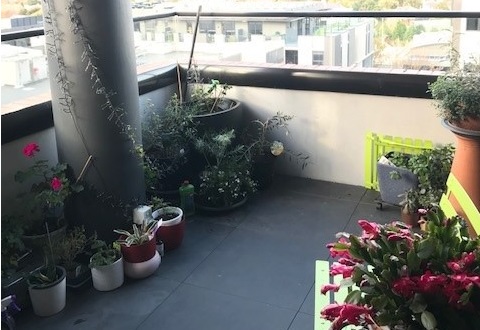
Inner city balcony
Alice has a square shaped, first storey balcony in Kensington. ‘It’s a challenging space as it is in shade for 4-5 months of the year and receives strong, direct sunlight for 4-5 months of the year'. Alice signed up for and received a garden visit from our Gardens for Wildlife Volunteer Garden Guides and took on many of the recommendations from the report.
Following the garden visit Alice has incorporated many features that are desirable for our local insect populations; ‘water attracts not only birds, but a variety of insects too, and that they need rocks so they don't drown.’ Alice has spotted a variety of wildlife in the garden following the visit including birds, native bees, dragonflies, and bats. Alice has also displayed the letterbox plaque and told her neighbours about the visit.
If you are like Alice and have a challenging balcony space, join the program and apply for a garden visit from our trained volunteers; ‘they are very knowledgeable and good at explaining things.’
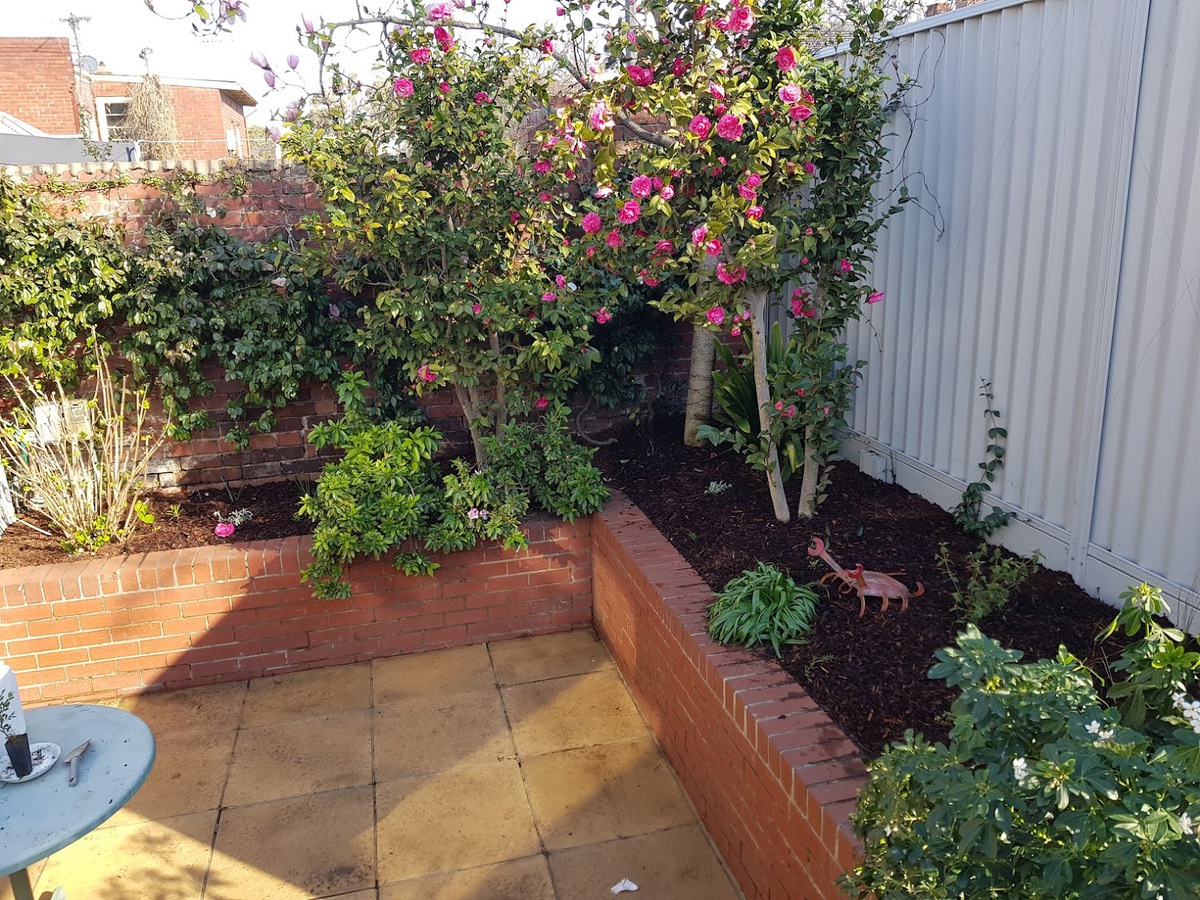
Inner city courtyard
North Melbourne resident, Kate, has a courtyard space in North Melbourne. Very typical of many in courtyards in the inner city, the space includes a paved entertaining area with surrounding narrow garden beds.
Kate received an in-person visit looking for ideas on how to improve the garden with local plants.
Kate took on many of the recommendations from her visit and report and has transformed her garden from a barren courtyard to a lovely urban wildlife garden.
Kate planted plants purchased from Billi Nursery.
Since transforming the garden and creating a welcoming habitat there always seems to some sort of insects present, Kate says. Kate was surprised to learn about the best way of providing water for bees in summer is in small shallow bowls with pebbles or sticks for balancing.
Since the initial planting, Kate has been back to Bili Nursery several times.
‘Unfortunately, the dog has managed to destroy some of the plants, others didn't survive when I moved some around during winter but that is OK, I gained enough knowledge to have the confidence to keep having a go.’
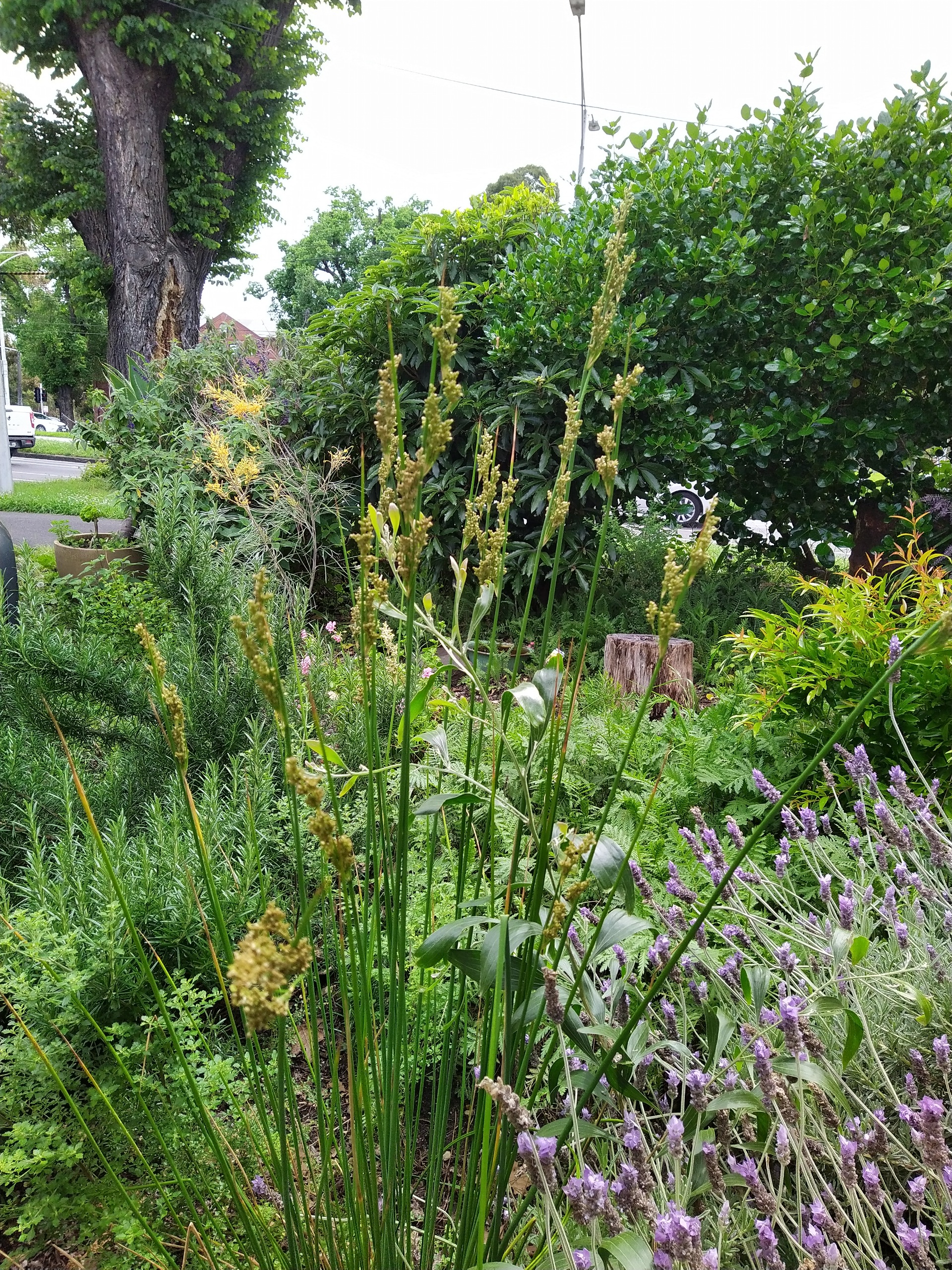
Traditional garden
North Melbourne resident, Stephanie, has a larger, more traditional garden space in North Melbourne.
The garden is located on the busy Flemington Road, so plants and wildlife contend with many urban streetscape challenges such as road pollution, runoff and street lighting, and fragmented habitat.
Stephanie received a virtual garden visit as it was during COVID lockdowns in Melbourne. The visit was online and worked well as a video call.
‘The visit went beyond my expectations with the level of interaction and detailed assistance with plans.’
Following the visit Stephanie visited Bili Nursery to use the plant voucher, which is given to all participants in the program. Bili staff and volunteers suggested additional plants that would work in the garden.
Stephanie has kept her garden report as a plan that she can re-visit or refresh on ideas and garden info. Stephanie has implemented a number of ideas from the discussion such as a pond, smaller trees for smaller birds and more native plants which are thriving compared to non-natives. Stephanie also placed logs in the garden as insect habitat.
Stephanie would like to encourage all her neighbours to participate and apply to have a garden visit, ‘it’s a hugely important program for the city wildlife residents, biodiversity and creating greener spaces for us humans’.
‘We have lost so many gardens on Flemington Road. Before I joined ‘Gardens for Wildlife’ it was intended to be an edible garden to grow fruit but now I want a garden for the wildlife.’
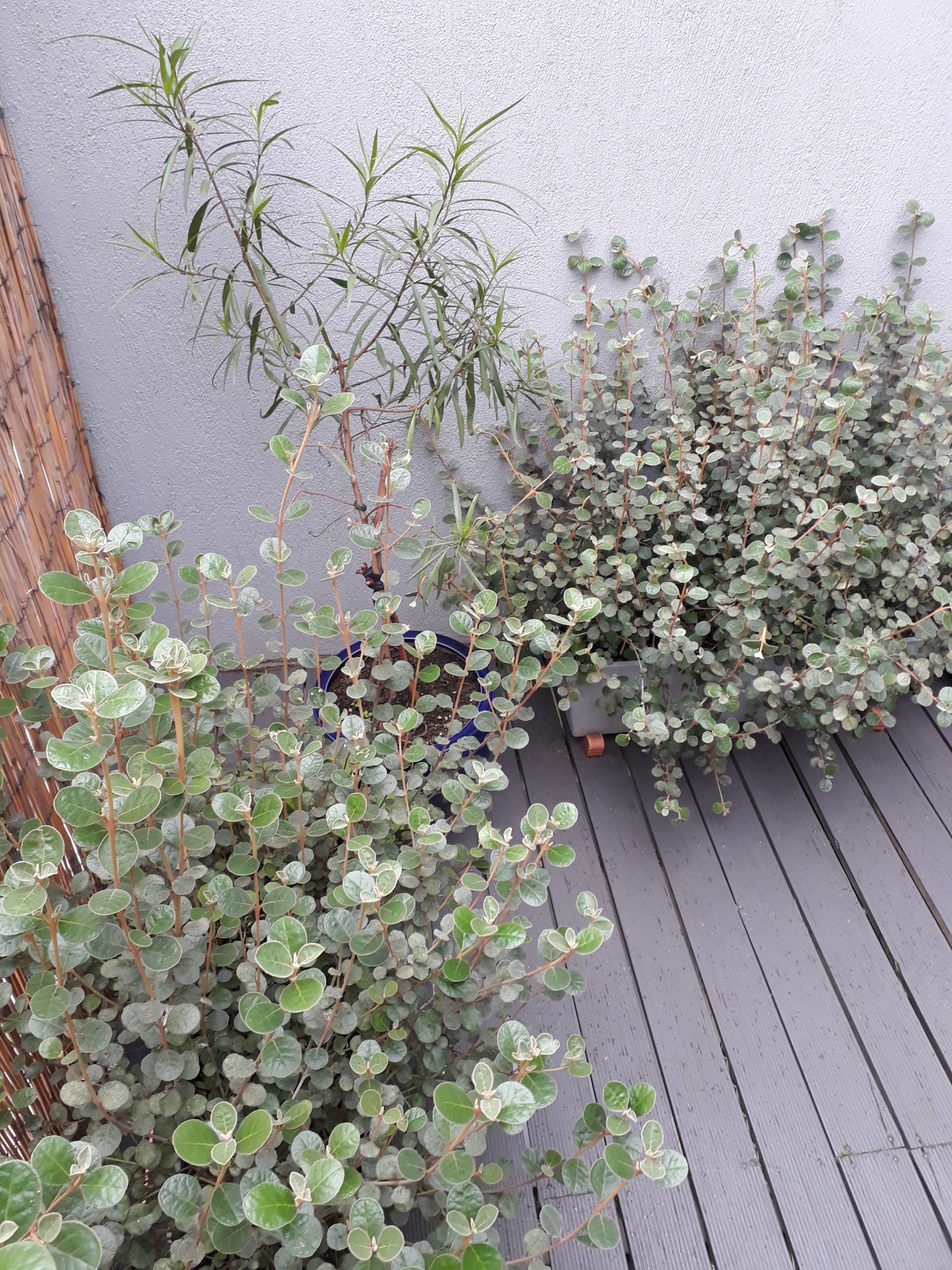
Retirement home balcony and community garden
Julie had a small 6m2 balcony on the sixth floor of a retirement living complex in Carlton. Julie’s balcony was on the north east corner of the building and the balcony has many challenges, including wind.
Julie applied for a Gardens for Wildlife visit, seeking advice on wind-tolerant and hopefully edible garden plants that will encourage wildlife - particularly bees!’
Our volunteer Garden Guides completed a virtual garden visit for Julie in 2020, providing advice and recommendations via Zoom.
Following the visit, Julie was provided with a garden report, detailing advice and recommendations for:
- the use of wicking beds to provide more gardening space, anchorage and reduce watering;
- pot suitable indigenous plants with a variety of colours and textures, that will withstand the windy conditions;
- climbing options to increase plant volume and;
- edible plants that are easy to propagate and share.
Julie has moved away from Melbourne since receiving her visit but reported that the experience was great and refreshed her love or gardening!